The pizza was very delicious. Best pizza ever had. The service was outstanding and the lady who was serving us was very welcoming and attentive. All the staff were very polite and really nice.
Overview
Tucked away at Via Ascanio Sforza, 17, 20136 Milano MI, Italy, La Fraschetta Dè Balestrari (Romeo La Pinseria Der Colosseo) brings a slice of Roman soul straight into the heart of Milan’s Navigli district. I first stopped by on a rainy Thursday evening after hearing several glowing reviews from friends in the food industry. What I expected was a casual dinner; what I got instead was a deep dive into authentic Roman flavors, carefully crafted dough, and a menu that feels both traditional and refreshingly modern.
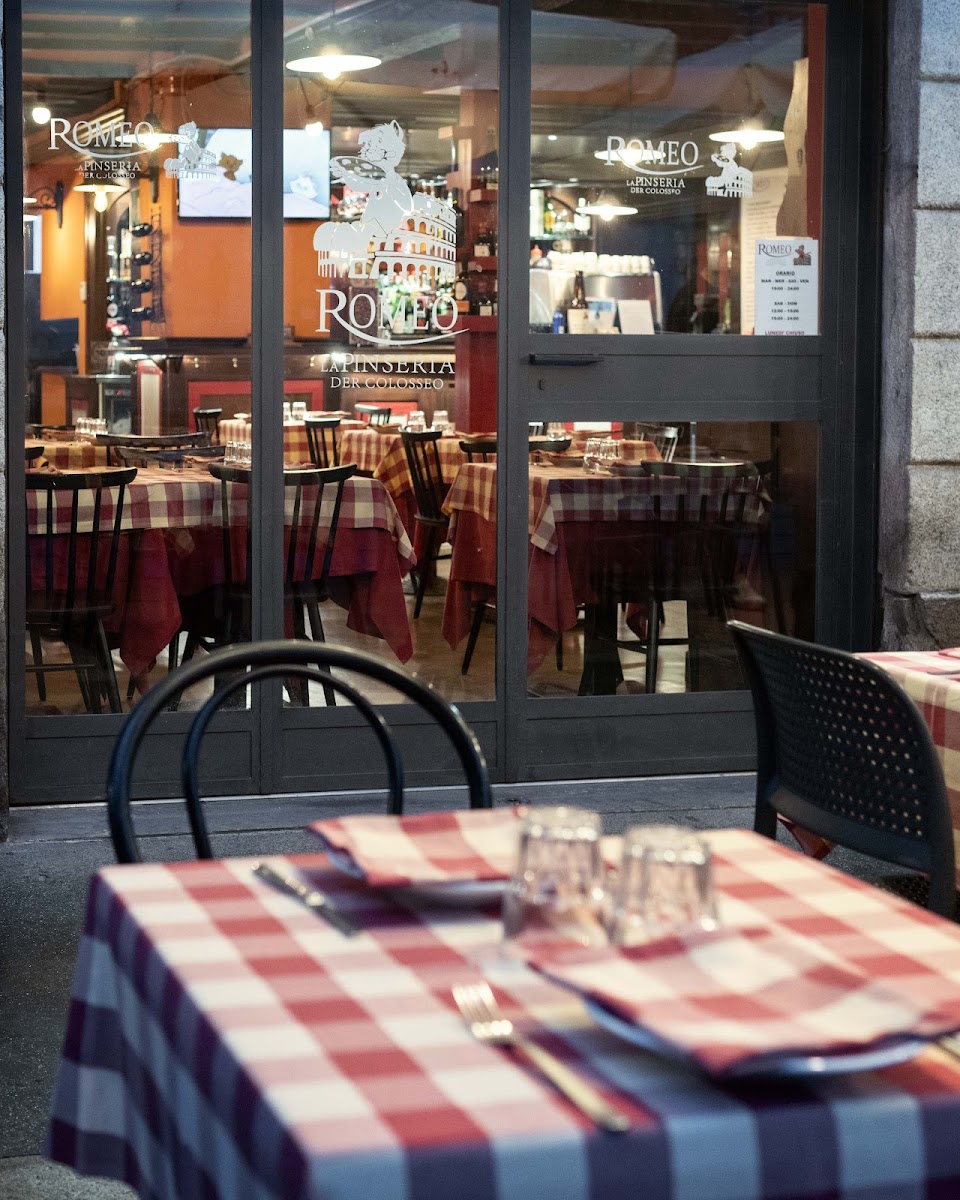
The atmosphere hits you right away. It’s warm, slightly rustic, and buzzing with conversation. Wooden tables, shelves lined with Italian wines, and the unmistakable aroma of freshly baked pinsa romana set the scene. Unlike classic pizza, pinsa is made with a blend of wheat, rice, and soy flours. According to research published by the Italian Society of Food Science and Technology, this mix results in a dough with higher hydration and longer fermentation, often up to 48-72 hours. That extended fermentation process makes it lighter and easier to digest. You can taste the difference. The crust is airy inside, crisp outside, and never heavy.
I ordered the classic margherita pinsa to set a baseline. Simple ingredients-San Marzano tomatoes, fior di latte mozzarella, fresh basil-yet executed with precision. The balance was spot on. Then I moved on to one of their signature creations topped with porchetta and pecorino romano. The richness of the slow-roasted pork paired beautifully with the sharpness of the cheese. It’s clear the kitchen respects Roman culinary traditions while still embracing Milan’s cosmopolitan palate.
Beyond the pinsa, the menu includes classic fraschetta-style dishes: cured meats, artisanal cheeses, and seasonal vegetables. One standout was the cacio e pepe. This Roman pasta may seem straightforward, but achieving the perfect creamy emulsion without adding cream takes technique. The chef explained that the key lies in controlling the pasta water’s starch content and temperature. It’s a method widely endorsed by chefs like Massimo Bottura and culinary schools across Italy. Here, the sauce clung silkily to each strand of pasta, delivering bold yet balanced flavor.
What impressed me most was the consistency. I’ve returned three times over the past year, each visit with different friends-once with a sommelier colleague, once with family visiting from abroad. Every time, the service remained attentive without being intrusive. The staff knows the menu inside out and happily explains ingredient sourcing. Many of the products come directly from Lazio, reinforcing the restaurant’s Roman identity. Transparency like that builds trust, especially in a city filled with dining options.
Online reviews echo this experience. Across major dining platforms, guests consistently praise the digestibility of the dough, the quality of ingredients, and the lively yet comfortable ambiance. While no place is perfect-on weekends, you might face a short wait without a reservation-the overall feedback reflects reliability and care. Reservations are definitely recommended, particularly on Friday and Saturday evenings.
Nutritionally speaking, lighter dough and high-quality olive oil contribute to a meal that feels indulgent but not overwhelming. The Mediterranean diet, recognized by UNESCO as an Intangible Cultural Heritage, emphasizes fresh ingredients, balanced fats, and shared dining experiences. This restaurant embodies that philosophy effortlessly. Meals here are meant to be enjoyed slowly, with conversation flowing as easily as the house red wine.
For anyone exploring Milan and craving authentic Roman cuisine, this address near Navigli offers more than just food. It delivers a genuine culinary experience rooted in tradition, backed by thoughtful technique, and elevated by consistent execution. Whether you’re scanning the menu for classic pasta, artisan pinsa, or curated wine selections, you’ll find flavors that respect heritage while fitting perfectly into Milan’s dynamic dining scene.
Good to know
Service options
✓ Outdoor seating ✓ No-contact delivery ✓ Delivery ✓ Takeaway ✓ Dine-inHighlights
✓ Great coffee ✓ Great dessertPopular for
✓ Lunch ✓ Dinner ✓ Solo diningAccessibility
✓ Wheelchair-accessible entrance ✓ Wheelchair-accessible seating ✓ Wheelchair-accessible toiletOfferings
✓ Alcohol ✓ Beer ✓ Coffee ✓ Healthy options ✓ Late-night food ✓ Quick bite ✓ Small plates ✓ Spirits ✓ WineDining options
✓ Lunch ✓ Dinner ✓ Dessert ✓ Seating ✓ Table serviceAmenities
✓ ToiletAtmosphere
✓ Casual ✓ Cosy ✓ TrendyCrowd
✓ Family friendly ✓ Groups ✓ LGBTQ+ friendly ✓ Tourists ✓ Transgender safe spacePlanning
✓ Dinner reservations recommended ✓ Accepts reservationsPayments
✓ Credit cards ✓ Debit cards ✓ NFC mobile payments ✓ Credit cardsChildren
✓ Good for kids ✓ Has changing table(s) ✓ High chairs ✓ Kids' menuParking
✓ Paid street parking ✓ ParkingPets
✓ Dogs allowed ✓ Dogs allowed inside ✓ Dogs allowed outsidePhotos
1 / 4
Location
Reviews
- No ratings yet 511 reviews
Food isn't bad. Overall it's pricey for what it is. You will be charge 5euro for the napkins and cutlery
It's really one of the best carbonara I've tried. Muito bom! Worth it! And the wine selection is very good too.
Excellent Pinza, I ordered 4 cheese and Amatriciana, both really good The staff is very nice and smiley
Great service, the pinsas were outstanding, we had the Founo, peppo and diavola, they are the best pizza we had in I talu
The food was fantastic, and our waitress was really friendly and helpful! Defiantly a place to stop if you’re staying in the area!
Super helpful staff, delicious food (suppli and amatriciata were amazing!), and cute place overall! Would definitely recommend it!!
Awesome restaurant in Navigli area of Milan. Very friendly service everything was wonderful. We had the Pluto flatbread and green grocer (lungotevre?) Flatbread. Also the croquettes were great and even the zucchini fritte was tasty. Wonderful evening! Probably didn't hurt we ordered 750 ml Sr stefanus beer!!!!